

decorative laminated glass
The Role of Control Valves in Hydraulic Systems Control valves are essential components in hydraulic systems, serving a crucial function in the regulation of fluid flow and pressure. These valves are designed to adjust the flow rate, direction, and pressure of hydraulic fluid within a system, allowing for precise control of machinery and processes. Understanding their operation and importance is fundamental for anyone involved in hydraulic engineering or maintenance. At its core, a control valve functions as a throttle mechanism. By manipulating the size of the passage through which the hydraulic fluid flows, these valves can efficiently regulate the flow rate. When the valve is opened, fluid can flow freely; as it is closed, the flow is restricted, leading to an increase in pressure upstream. This capability is particularly critical in hydraulic systems where precise control is necessary for the safe and efficient operation of machinery, such as cranes, excavators, and industrial presses. There are various types of control valves used in hydraulic systems, including proportional, servo, and on/off valves. Proportional valves allow for varied control based on the input signal, providing a smooth and responsive adjustment of flow rates. In contrast, servo valves are used for high-performance applications, offering rapid and accurate response times, making them ideal for systems requiring precise positioning and control. On/off valves, while simpler, can serve as effective solutions for systems that do not require fine-tuned flow control. control valve in hydraulic system The design and material of control valves are also vital considerations. Constructed from durable materials such as steel, aluminum, or plastic composites, these valves must withstand high pressures and temperatures typically encountered in hydraulic systems . Additionally, the valve's internal components, such as seals and actuators, play a significant role in its performance and longevity. Regular maintenance and monitoring of control valves are critical to ensuring the reliability and efficiency of hydraulic systems. Leaks, sticking, or wear in components can lead to performance loss and may even result in system failure. Implementing routine inspections and timely replacements can prevent costly downtimes and enhance system safety. In conclusion, control valves are indispensable in hydraulic systems, providing the necessary functionality to manage fluid flow and pressure effectively. Their various types and crucial roles in different applications underscore their importance in industrial settings. Understanding how these valves operate and maintaining them properly can lead to enhanced productivity, safety, and efficiency in hydraulic machinery, ultimately reflecting their importance in modern engineering and technology.
about
decorative laminated glass
Understanding the Telescoping Bore Gauge An Essential Tool for Precision Measurement In the realm of precision engineering and machining, accurate measurements play a crucial role in ensuring the functionality and performance of various components. Among the critical measuring tools in a machinist's toolkit is the telescoping bore gauge. This instrument is particularly designed for measuring the internal diameters of holes or cylinders, and its ability to provide highly accurate readings makes it essential in many manufacturing processes. What is a Telescoping Bore Gauge? A telescoping bore gauge, also known as a bore micrometer, consists of a set of arms that extend and can be adjusted to fit the surface of the bore being measured. Typically, the gauge features a handle, a pair of measuring arms, and a measuring head. The arms are spring-loaded, allowing them to expand and contract with ease. When inserted into a hole, the arms can be expanded to touch the inner walls of the bore. Once the arms are firmly against the surfaces, the gauge is removed, and the distance between the tips is measured using a micrometer or caliper. How to Use a Telescoping Bore Gauge Using a telescoping bore gauge involves a few straightforward steps 1. Preparation Ensure that the internal bore to be measured is clean and free from debris. Any dirt or residue can affect measurement accuracy. 2. Selecting the Size Choose the appropriate size of the bore gauge, as these tools come in various sizes to accommodate different bore diameters. 3. Insertion Insert the telescoping bore gauge into the hole or cylinder. The arms should be closed initially and then expanded once inside. 4. Expansion Carefully expand the arms of the bore gauge until they make contact with the inner walls of the bore. Apply a consistent and gentle pressure to ensure a proper fit without overextending the arms. 5. Removal Once the gauge is properly seated against the walls, carefully withdraw it from the bore. 6. Measurement Measure the distance between the tips of the gauge using a micrometer or caliper. This measurement will give you the internal diameter of the hole. 7. Verification For enhanced accuracy, repeat the measurement in several locations within the bore to account for any irregularities . telescoping bore gauge Advantages of Using a Telescoping Bore Gauge The telescoping bore gauge is favored for several reasons - Precision It allows for precise measurements of internal diameters, which is crucial for parts that must fit together perfectly. - Versatility These gauges can measure a variety of bore sizes accurately, making them valuable in both small and large-scale manufacturing. - Portability Telescoping bore gauges are lightweight and easy to transport, enabling machinists to use them in different settings with ease. - Cost-Effectiveness Compared to other sophisticated measurement tools, bore gauges are relatively inexpensive and provide great value for their accuracy. Challenges in Using Telescoping Bore Gauges While telescoping bore gauges are effective, users must be aware of potential challenges - Skill Requirement Proper use of this tool requires a certain level of skill and experience. New users may need practice to achieve reliable results. - Measurement Errors If not handled correctly, there may be measurement errors due to misalignment or incorrect pressure when expanding the arms. - Calibration Regular calibration and maintenance are necessary to ensure ongoing accuracy, as wear and tear can affect the performance of the gauge. Conclusion In summary, the telescoping bore gauge is an indispensable tool for anyone involved in precision engineering and manufacturing. Its ability to accurately measure internal diameters plays a vital role in quality control and product functionality. By understanding how to properly use and maintain this robust tool, machinists can enhance their measurement accuracy and efficiency on the shop floor. As industries continue to evolve, the reliance on precise measurement tools like the telescoping bore gauge will undoubtedly remain a cornerstone of manufacturing excellence.
-

High quality industrial productsagement

High quality industrial products
View Details -

Meet the diverse needs of customers

Meet the diverse needs of customers
View Details -

Strict quality control

Strict quality control
View Details -

Top raw materials

Top raw materials
View Details -

Trusted supplier

Trusted supplier
View Details
Our application



news and information
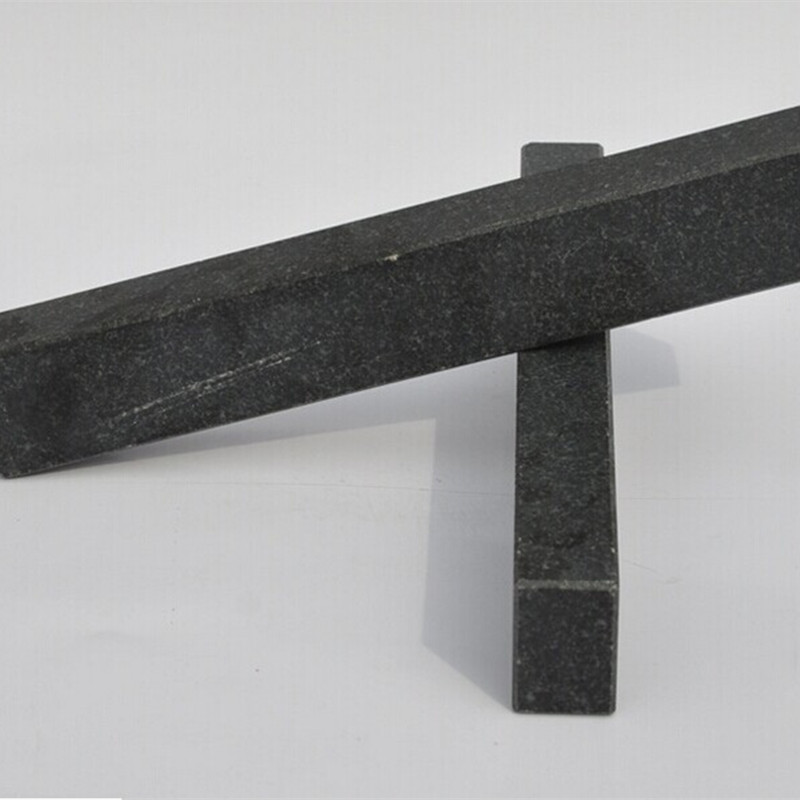
V Blocks for Precision Machining and Tool Alignment in Manufacturing Processes
Understanding V Blocks for Machining Essential Tools for Precision Work In the realm of machining, p

Valve's Influence in the Chinese Market and Its Future Prospects
The Influence of Valve China on the Global Valve Industry In recent years, China has emerged as a ce

Válvula de compuerta de 500 mm para aplicaciones industriales y sistemas de tuberías
Válvula de compuerta de 500 mm Importancia y Aplicaciones La válvula de compuerta es un dispositivo
 English